
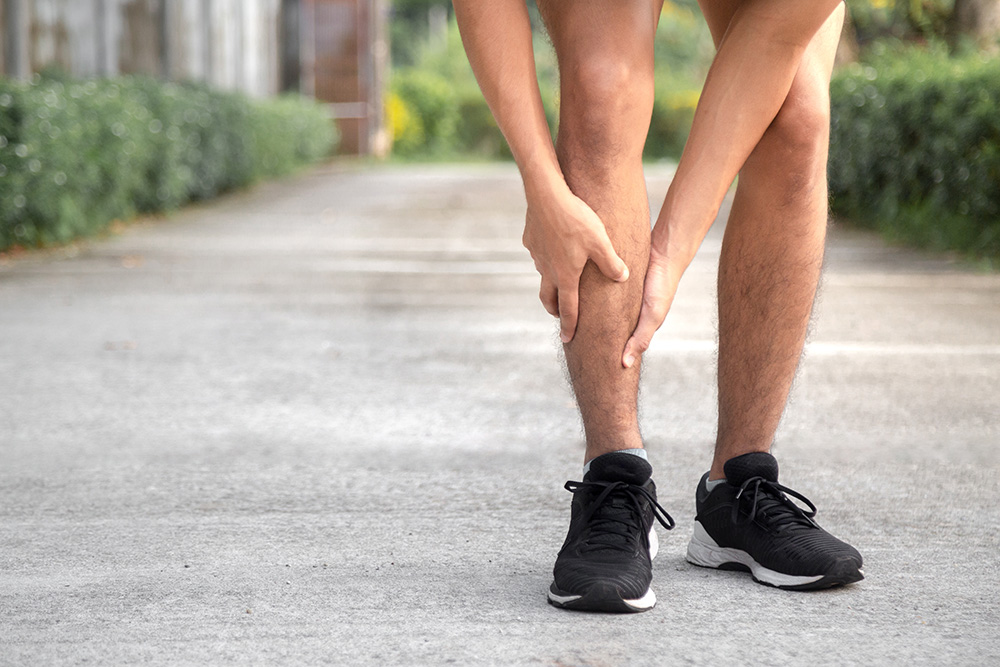
Shin splints are an overuse injury that causes dull or sharp pain along the shinbone. That nagging ache along the lower leg has a way of placing even the most active athletes on the sidelines.
According to the National Institutes of Health (NIH), shin splints happen to 13.6% to 20% of runners in any given year. That number can be even higher for new athletes and anyone who gets back into high-volume training without giving their body enough time to adjust.
If you get prompt shin splints treatment, you are more likely to recover faster. In contrast, those who just push through the pain usually spend far more time on the sideline than athletes who pay attention to early shin splints symptoms. To recognize this problem and get back in the game, here’s a look at what shin splints are, what triggers them, and how to treat the problem.
What are shin splints?
Shin splints (or medial tibial stress syndrome) are one of the most common complaints in sports medicine. The root cause is the repeated stress on the muscles, tendons, and bones around your tibia. With enough time and repetition, that stress builds up into inflammation.
Runners deal with this problem more than almost any other athlete. However, they can also affect other types of athletes, including:
- Soccer players
- Cross-country athletes
- Anyone who comes back to heavy training after a long break
If this has ever happened to you, know that you’re not alone. Shin splints are one of the top reasons that athletes miss training days in the weeks and months before a new season.
What causes shin splints?
Even healthy people who get regular physical exams can experience shin splints. This pain is usually a response to changes in physical activity. One week your body is fine. Then it’s struggling the next week as it tries to adapt to the sudden spike in activity.
Jumping into more intense physical activity isn’t the only thing that can cause shin splints. The Cleveland Clinic also identifies these causes of shin splints:
- Running on hard pavement
- Training in unsupportive or ill-fitting shoes
- Having flat feet
- Having a condition like osteoporosis or vitamin D deficiency
These factors can also stack on top of each other, so a new training schedule paired with old footwear can tip you over the edge.
Fall sports season doesn’t let athletes start slowly. Tryouts, two-a-day practices, and the pressure to compete all hit at once. This can make it hard for the body to catch up. For students coming back from the rest of summer break, their legs can feel fine on day one and then start to break down fast once the workload kicks in.
Training errors
The most common training mistake that athletes make is one of the most preventable ones, which is doing too much too fast. Moving from a period of relative rest to intense and frequent training sessions in a short time is hard on the body. This can cause shin splints.
To avoid this problem, the British Journal of Sports Medicine recommends that you never increase your weekly training load by more than 10% at a time. This limit gives your muscles and bones the time they need to adapt without injury.
Biomechanical factors
In addition to training errors, flat feet and overpronation (when the foot rolls inwards) put stress on your lower leg with every step. As your arch collapses inward, your muscles work harder to compensate. This effort can add up fast, leading to shin pain while running or exercising.
The good news is that the right pair of stability or motion-control shoes can help. The American Academy of Podiatric Sports Medicine recommends replacing your shoes every 300 to 500 miles. You may need to replace them even faster for basketball, dance, and tennis.
Shin splints symptoms
A dull ache along the inner edge of your lower leg is usually what you’ll feel first with shin splints. It tends to flare up mid-run or during practice, then it lets up when you rest. This pattern can make it easy to brush them off early on.
However, when you press along the inner side of your shinbone, the odds are that you’ll find at least one tender area. You may also notice some mild swelling.
Shin splint pain tends to start out feeling pretty manageable, but it tends to get worse the longer you train on it. What starts as a minor ache can eventually become pain that sticks around even when you’re not active at all. If any of this sounds familiar, don’t ignore what your body is telling you.
How to get rid of shin splints
Shin splint recovery takes time, which is probably the last thing you want to hear. However, the good news is that with the right plan, most athletes get moving again and feel even stronger.
- Most shin splint recovery plans involve RICE, which stands for rest, ice, compression, and elevation. All four of these pieces work together to bring down the inflammation and give your body the time it needs to heal.
- A standard over-the-counter pain reliever like ibuprofen can also help cut back on the pain and the swelling in the meantime.
It’s important to resist the urge to jump right back into full training as soon as you start to feel better. Your body needs to work back into it slowly with a deliberate approach that includes:
- Low-impact movement comes first.
- The next step is adding in some light runs.
- You can then gradually build from there.
The tissue in your lower leg needs time to adjust to the load again, and you can’t rush that process. Give your body that time, and your comeback will be far more lasting for it.
Rest and ice
If shin pain starts flaring up on you, the first step is to dial back whatever activity triggered it. That doesn’t mean your training is finished. It just means your body could use a short break before you push it again.
Once you’ve stopped moving, put some ice on that sore area and hold it there for a full 15 to 20 minutes. A couple of minutes with an ice pack won’t be enough. How long you actually leave it on your shin makes a bigger difference.
Stretching and strengthening shin splint exercises
The calf muscles attach directly to the shin, and when they’re tight, they pull on the tibia. This can send the pain upward into the bone. A well-conditioned calf can take that stress away.
- A standing calf stretch held for 30 seconds is the first step.
- Heel drops off a step can also help rebuild the muscle over time.
- A few minutes with a foam roller each day can release tension before it has a chance to build up.
You don’t need long sessions. Just a handful of targeted moves done every day will help.
Shin splints vs. stress fracture
You might be wondering how to tell the difference between a shin splint and a stress fracture. One reliable way to check is to press your finger hard along the shin bone and slowly drag it down.
- With shin splints, the soreness tends to be spread out and hard to pin to any one area.
- With stress fractures, there’s usually one very precise point that hurts more than everything around it.
How your pain behaves at rest is another clue. Shin splints usually quiet down pretty soon after you get off your feet. A stress fracture works a bit differently. The ache can still hang around even when you’re just sitting on the couch.
When to see a doctor for shin splints
You don’t always need to see a doctor for shin splints treatment. However, you should visit your healthcare provider or an urgent care if you have:
- Swelling that keeps getting worse
- Pain that hasn’t improved after 2 to 4 weeks of rest and self-care
It’s tempting to convince yourself that your pain will settle down on its own, and sometimes it will. However, when something worse is going on underneath, every week that you hold off is another week of recovery time that you’re not going to get back.
A quick early visit gives a doctor the chance to order imaging and catch a fracture before it turns into a much longer setback. It’s a small extra step, but it changes how fast you recover.
How to prevent shin splints
Prevention is key with shin splints. That’s because once that pain sets in, you’re already losing training time. Here are some tips to help prevent shin splints:
- The right footwear: Worn-out shoes lose their cushioning little by little, and your shins take on that extra stress long before you ever feel a difference. Replace your athletic shoes before they break down, not after.
- Cross-training: How fast you build up your training load matters just as much as anything else. Cross-training options like swimming or cycling can help you focus on fitness while giving your legs a much-needed break from repetitive pounding.
Also, a few minutes of calf and shin stretches each day can make a difference. Your lower legs will stay loose and far less vulnerable with stretching, making it one of the best ways to prevent this problem.
Frequently asked questions
We get a lot of questions about shin splints, especially as fall sports season approaches, so we’ve put together answers to some of the most common ones right here.
Can you run with shin splints?
No, running through shin splint pain is generally not a good idea. Continuing to train on an inflamed shin tends to make the problem worse, and what could have been a short recovery often turns into a much longer one. The smarter move is to back off, let things calm down, and ease back into running gradually once the pain has settled.
How long do shin splints take to heal?
Healing time varies depending on how severe things are and how quickly you act on it. Athletes who rest early and treat the root cause tend to bounce back faster than those who push through the pain. If your shin hasn’t improved after two to four weeks of rest and self-care, that’s a sign it’s worth getting checked out by a medical professional.
Do compression sleeves help shin splints?
Compression is actually one of the four pillars of the standard shin splint recovery approach, which includes rest, ice, compression, and elevation. Wearing a compression sleeve can help manage swelling and give the lower leg some support during recovery. It’s a simple, low-cost step that fits easily into a treatment routine.
Should I get an X-ray for shin splints?
It depends on what your pain feels like. Shin splints and stress fractures can feel similar. However, a stress fracture tends to hurt in one sharp, concentrated spot and may ache even when you’re off your feet. If there’s any doubt, getting an X-ray is worth it.
Get shin splints treatment at Amory Urgent Care
Shin splints have a reputation for being stubborn, but they do respond well if you catch them early and take them seriously. The right shoes, a well-paced training schedule, and even just a few minutes of stretching every day can do quite a bit to prevent shin splints. However, if pain does come up, rest and steady care do work. If you have pain that returns repeatedly or gets worse even as you’re resting, you shouldn’t ignore it. A visit to Amory Urgent Care can help get you back in the game. No appointment is needed before you visit. You can just walk in any day between 8 a.m. and 7 p.m. A quick visit now could be all it takes to get you back