
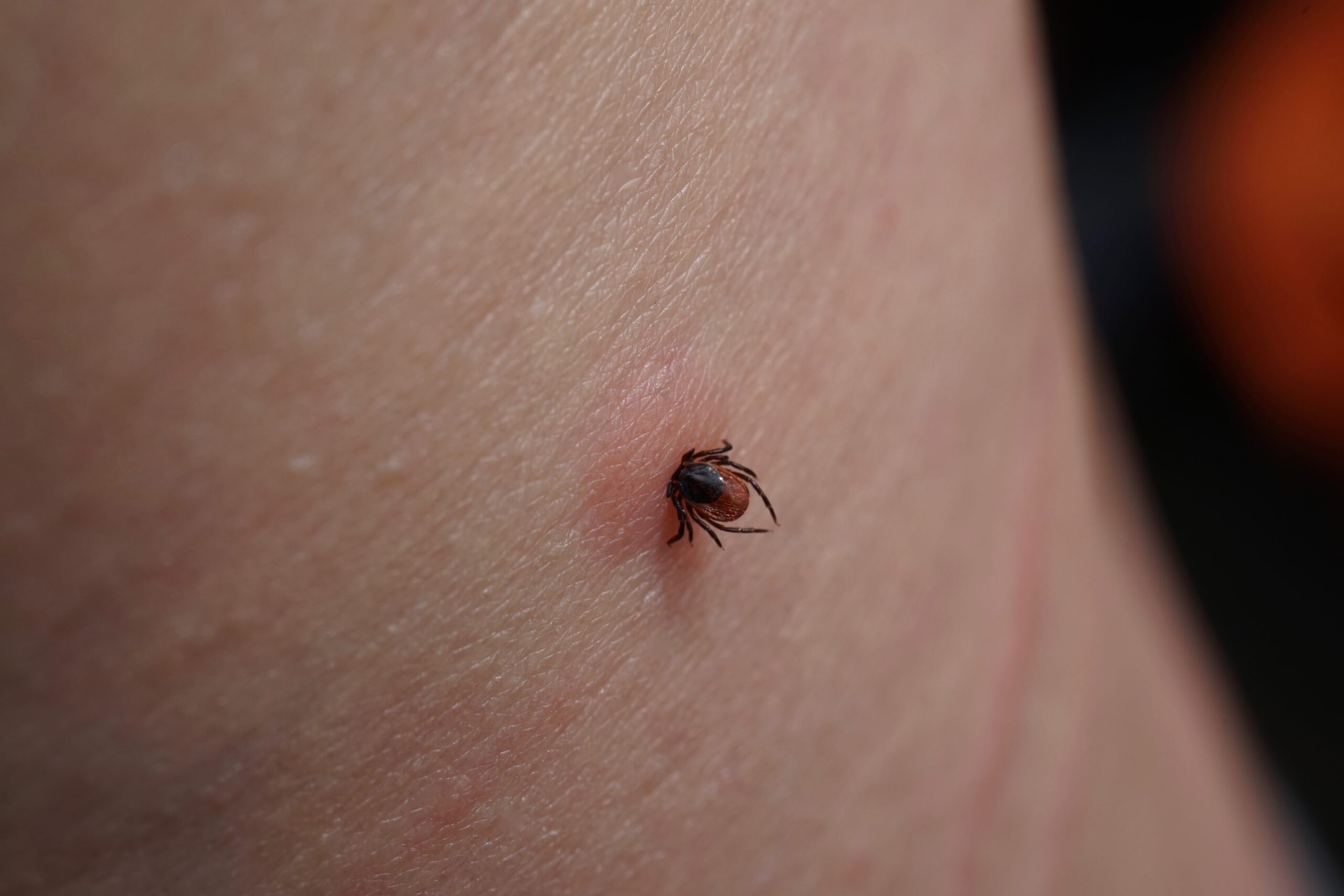
Spending time outdoors in Mississippi can sometimes come with a nasty surprise. After a walk in tall grass or a day working in the yard, you might notice a tiny tick attached to your skin. And since tick bites rarely hurt, many people aren’t even aware of the insect’s presence until late in the day.
Knowing how to remove a tick properly can reduce irritation and lower your risk of infection. If you’re not sure how to handle a tick bite or you notice any unusual symptoms, our team at Amory Urgent Care can examine the area and help you decide how best to proceed.
Why careful tick removal matters
Ticks attach themselves firmly to your skin while they feed. If you squeeze the insect or pull it too roughly, its body will likely come off — but it can leave its mouthparts behind. Apart from being unpleasant, this can inflame your surrounding skin and make the bite more difficult to clean.
For this reason, it helps to remove a tick calmly and with the proper technique. Per the Centers for Disease Control and Prevention, acting quickly is helpful, but a clean removal is far better than rushing through the process.
Steps for removing a tick safely
Removing a tick is usually straightforward when you have the right tools. Using tweezers with fine tips lets you grasp the tick as close as you can to your skin.
The CDC offers a detailed guide for safely removing a tick. Begin by grasping the tick as close to your skin as you can. Lift it slowly and evenly. To prevent the mouthparts from breaking, avoid twisting or jerking the tweezers when you pull.
After the tick lets go, disinfect the bite using soap and water or rubbing alcohol. Washing your hands afterward helps prevent any bacteria from spreading.
What the bite area may look like afterward
A small red bump may appear where the tick bit you after it’s removed. You may notice some mild swelling or irritation in the vicinity. The reaction will fade away slowly during the span of a few days, but schedule an urgent care appointment if it doesn’t.
Pay attention to the bite area as it gets better. If you notice that the redness continues to expand or the area becomes more tender, it’s better to have a member of our team evaluate it.
Symptoms that call for medical attention
Most tick bites don’t lead to serious illness, but certain symptoms should prompt you to take a closer look.
Look out for signs like:
- A rash that gets bigger with time
- Fever or chills
- Unusual fatigue
- Muscle aches or headaches that appear without another simple explanation
These symptoms can appear days after a tick has bitten you. If you notice any changes like these, it’s better to get yourself seen.
How urgent care can evaluate a tick bite
Upon arriving at Amory Urgent Care for a tick bite, we’ll start by inspecting the bite area and asking about your recent outdoor activities. We’ll probably ask about when you first noticed the tick. As part of our evaluation, we’ll check the bite for signs of irritation or infection. We’ll also discuss any symptoms you may have noticed since the bite.
Based on our findings, we may recommend monitoring the area at home or beginning treatment, especially if your symptoms suggest a possible infection. Our team can also explain what changes to watch for in the coming days.
Most tick bites can heal without complications
Most bites heal without complications once the tick is gone. However, it’s still important to keep an eye on the area and watch for symptoms that may develop in the days that follow. While mild skin irritation can be normal, signs such as swelling, fever or body aches may suggest an infection or tick-related illness.
If you notice any concerning symptoms, would like to get the bite evaluated, or need help removing a tick, Amory Urgent Care is here to help you. Our medical team is always happy to answer your questions and help determine whether treatment or further monitoring may be necessary. Come get your bite looked at today.